2026 Top Red Light Therapy Pod Manufacturers Worldwide
The 2026 global market for Red Light Therapy Pod systems is becoming more specialized, measurable, and competitive. Manufacturers now differ in wavelength selection, irradiance control, pod dimensions, cooling design, and software integration. A polished exterior is not enough. Buyers need evidence behind every technical claim.
This guide examines leading manufacturers worldwide through practical and professional criteria. These include manufacturing experience, laboratory testing, quality management, warranty support, and product consistency. Important details often appear during real use: panel spacing, heat around the shoulders, fan noise, session controls, and cleaning access. Reliable companies should clearly explain their specifications and provide documentation for safety and performance.
No manufacturer is perfect.
Market rankings can also change quickly. Some brands publish limited testing data, while others rely heavily on promotional language. For that reason, this overview treats reputation as only one part of the evaluation. Independent verification, transparent certifications, responsive technical support, and user feedback remain essential. The guide does not promise medical outcomes, because results may vary between individuals and should not replace qualified professional advice. Instead, it offers a careful starting point for comparing 2026 manufacturers, identifying credible technologies, and recognizing areas that require further investigation. This cautious approach may feel less dramatic, but it is more useful for clinics, wellness facilities, distributors, and informed consumers seeking dependable equipment.
Definition and Scope of Red Light Therapy Pods
2026 Top Red Light Therapy Pod Manufacturers Worldwide
Definition and Scope of Red Light Therapy Pods
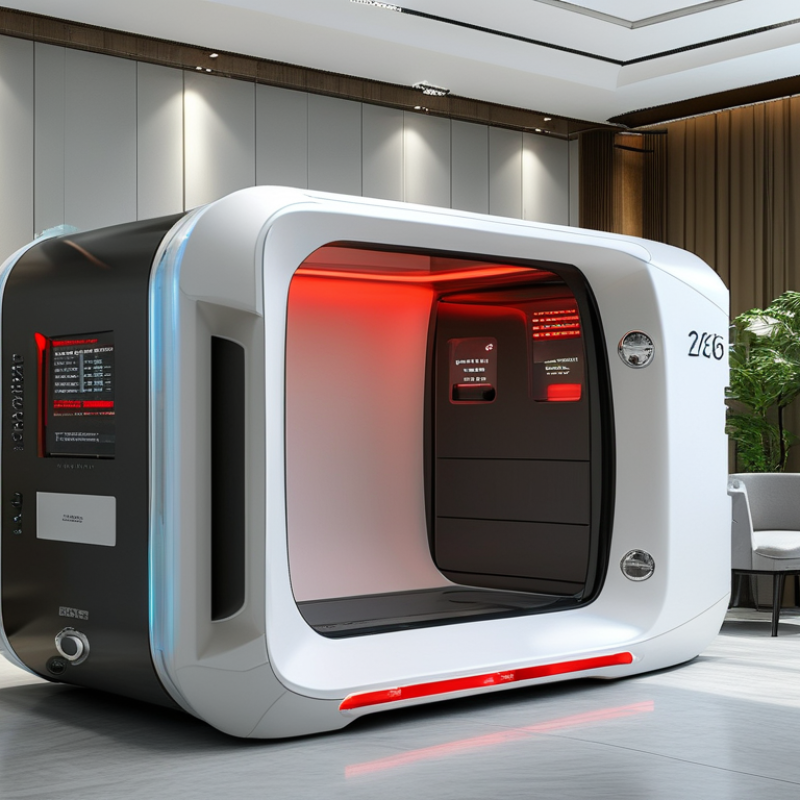
A red light therapy pod is an enclosed or semi-enclosed device using non-thermal red and near-infrared light. It typically covers the body while a user stands, sits, or lies inside. Unlike a small facial panel, a pod aims for broader exposure and more consistent positioning. Typical wavelengths range from about red light at 630–660 nanometers to near-infrared light at 810–850 nanometers. Treatment time, irradiance, cooling, shielding, and session distance define the practical scope.
The category remains difficult to measure. Market reports often group pods with panels, beds, masks, and clinical photobiomodulation systems. Fortune Business Insights valued the global red light therapy market at approximately USD 1.06 billion in 2023, projecting continued growth through 2032. Grand View Research also reports strong expansion, with wellness and home-use devices driving demand. These figures describe the broader market, not pods alone. That distinction matters.
In professional evaluation, manufacturers should document wavelength accuracy, irradiance at the treatment surface, exposure duration, and electrical safety controls. A bright-looking chamber may not deliver uniform energy across the back, shoulders, and legs. Evidence is also uneven. Reviews in photobiomodulation research report potential benefits for selected skin, pain, and recovery applications, but results depend on dose and condition. More light is not automatically better. The definition should therefore include measurable performance, not only a large enclosure. The boundary is still fuzzy.
How Red Light Therapy Pods Work and Key Technologies
Red light therapy pods use arrays of light-emitting diodes to expose much of the body to red and near-infrared light. Red wavelengths commonly target the skin’s surface, while near-infrared wavelengths may travel deeper into tissue. Cells absorb this light through photoreceptive structures, especially within mitochondria. This process may support cellular energy production and influence local circulation. The response is biological, not magical.
Pod design determines the treatment experience. Even LED placement matters. A well-engineered chamber distributes light across the back, legs, and sides, reducing dark zones that can weaken exposure consistency. Adjustable irradiance helps control the delivered dose, measured through power density and treatment time. Cooling fans, temperature sensors, and automatic shutoffs improve comfort and operational safety. Eye protection remains sensible, particularly during facial exposure.
Reliable manufacturers should publish wavelength ranges, irradiance measurements, testing methods, and maintenance instructions. Independent electrical and photobiological testing adds useful confidence. However, marketing language can outpace clinical evidence. More light is not always better, and longer sessions may increase warmth without improving results. That limitation matters. Users should record session duration, skin responses, and comfort rather than trusting vague promises. Results can vary with age, skin condition, medication, and treatment goals. Professional guidance is appropriate when a person has a photosensitive disorder or uses light-sensitive medication. The technology is promising, but careful measurement still matters.
Criteria for Evaluating Global Pod Manufacturers in 2026
Evaluating red light therapy pod manufacturers in 2026 requires more than comparing prices and glossy product images. Start with measurable specifications, including wavelength accuracy, irradiance at the user’s position, treatment distance, and session controls. A credible manufacturer should provide independent laboratory reports, not only internal test results. Ask whether measurements cover the entire pod, because uneven light can create inconsistent exposure.
Manufacturing quality also matters. Inspect frame materials, cooling systems, wiring protection, emergency shutoff access, and cleaning surfaces. Experienced suppliers can explain how their pods perform after repeated daily sessions. They should provide maintenance schedules, user instructions, warranty terms, and responsive technical support. Regulatory documentation must match the destination market. Certification names alone are not enough.
Look for transparent clinical communication. Responsible manufacturers separate measured findings from marketing language and avoid promising universal outcomes. They should describe intended use, limitations, contraindications, and recommended professional guidance. Data privacy deserves attention when pods include software, cameras, or connected controls. It is easy to overlook.
No scorecard is perfect. Real-world trials may reveal noise, heat buildup, or difficult access that specifications hide. Request a demonstration and record practical details, such as setup time and cleaning effort. A manufacturer that welcomes technical questions often appears more reliable than one offering impressive claims without evidence. Still, even careful evaluation can miss long-term problems. Keep reviewing service records and user feedback after purchase.
Leading Red Light Therapy Pod Manufacturers Worldwide
The 2026 market for red light therapy pods is becoming more technical and competitive. Leading red light therapy pod manufacturers worldwide now focus on measurable performance, user safety, and long-term service. Reliable manufacturers publish wavelength ranges, irradiance readings, treatment coverage, and electrical specifications. They also explain how these figures were tested. That matters because impressive numbers can look different under real operating conditions. Strong manufacturers use durable LED systems, controlled heat management, protective eye equipment, and accessible maintenance designs. Their experience often appears in practical details, such as quiet cooling, adjustable session settings, and clear user guidance.
Tips: Check independent test reports. Ask about service coverage. Inspect warranty terms carefully. Request installation documents before purchase.
Professional buyers should compare manufacturing quality, not only appearance or price. Look for documented quality-control procedures and consistent production across international facilities. A dependable supplier should provide training for operators and explain cleaning requirements between sessions. It should also support replacement parts without creating unnecessary downtime. Some manufacturers offer impressive demonstrations, yet provide limited technical evidence afterward. That deserves caution. I have found that simple documentation is often more valuable than polished sales language. Even experienced teams can overlook room ventilation, floor space, or user accessibility. These issues affect daily operation. Manufacturers that invite informed questions usually show stronger technical confidence and greater accountability. Results can still vary between users, so responsible communication should avoid exaggerated promises.
Safety Standards, Applications, and Purchasing Considerations
For a 2026 global shortlist, red light therapy pod manufacturers should prove safety before appearance. Grand View Research estimates the global light therapy market will expand steadily through 2030. The Global Wellness Institute valued the wider wellness economy at $6.3 trillion in 2023. These figures suggest demand, not clinical effectiveness.
A credible pod should address IEC 60601-1 electrical safety and IEC 62471 photobiological safety. ISO 13485 certification can indicate controlled medical-device manufacturing. ISO 14971 risk management is also valuable. Ask for independent test reports, not only factory brochures. Check wavelength accuracy, irradiance at the user’s skin, exposure time, emergency shutoff, ventilation, and eye protection. Small details matter.
Applications vary. Clinics may use red and near-infrared light for selected dermatology or recovery programs. Wellness centers often offer shorter sessions for general relaxation and appearance-focused care. Evidence remains uneven across conditions. A 2024 review in Photodermatology, Photoimmunology & Photomedicine reported promising results, but noted differences in dose, wavelength, and study quality. That limitation deserves attention.
Purchasing teams should compare delivered irradiance, maintenance access, software controls, warranty coverage, and operator training. Request serial-number traceability and calibration records. Do not accept “medical grade” without a defined standard. Even experienced buyers can overlook heat buildup inside enclosed pods. I would test one unit through repeated sessions before placing a large order. Performance on day one is not enough.