Staverton is a British designer & manufacturer of contemporary office furniture.
Call us today: +44 (0)20 3794 1200
©2025 Staverton (UK) Ltd | Terms | Disclaimer | Cookies | Privacy

![]()
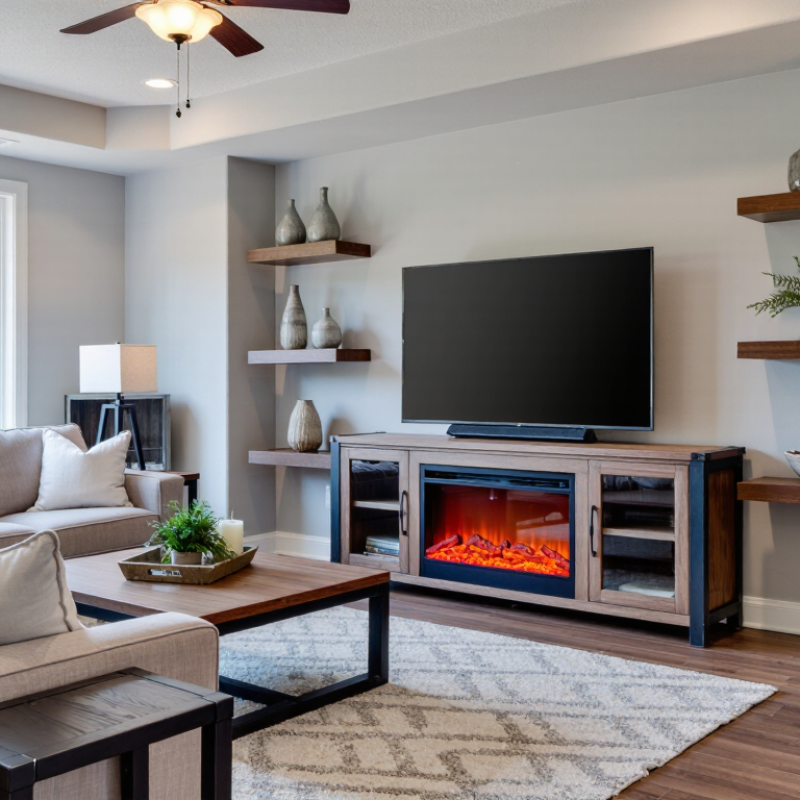
In 2026, buyers are comparing fireplace TV stands for more than their appearance. A Tv Stand With Fireplace can add warmth, storage, and a focal point to a living room. Looks matter. So do measurements, heat settings, materials, and the TV’s weight. A stand that seems perfect online may crowd a small room or leave too little space for cables. Measure the wall, viewing distance, and available floor space before comparing styles. Check each product’s stated weight capacity and the fireplace insert’s operating requirements.
Popular formats include compact consoles, wide entertainment units, corner stands, and models with a more traditional mantel profile. Compact designs can suit apartments, though shelf space may be limited. Wide units offer room for devices and décor, but they need a generous wall. Corner stands can use awkward layouts well, yet screen placement may feel less natural. Wall-mounted styles create a lighter look, but installation and cable planning deserve careful attention. Each type solves a different problem; none is ideal for every home.
One detail is easy to overlook. An electric fireplace may warm a seating area, but it should not be treated as a replacement for a home’s primary heating system unless the manufacturer explicitly supports that use. Follow the manual’s clearance guidance, and keep vents unobstructed. This guide compares the types buyers are considering, with practical notes on room fit, storage, appearance, and everyday use. Some trade-offs are less glamorous than the product photos suggest. That is worth remembering.
A TV stand with a fireplace combines media storage, television support, and an electric heating unit in one piece of furniture. The fireplace usually creates simulated flames with LED lights, reflective panels, and molded logs. Some models also produce heat through a ceramic or infrared element.
The heater pulls in room air, warms it, and releases it through a front or lower vent. A thermostat may maintain a selected temperature, while a remote controls heat, flame brightness, and timing. Many units provide visual flames without heat, which helps during warmer months. The actual heating area depends on wattage, room insulation, ceiling height, and drafts. A product rated for 400 square feet may perform differently in a cold, open living room.
I used to assume the fireplace made the stand difficult to maintain. Dust around the intake proved more important. Regularly cleaning that area supports steady airflow and reduces strain on the heater. Buyers should check the TV clearance, stand weight limit, cord length, and required outlet rating. The unit should sit on a level surface, away from curtains and blocked vents. Heat rising toward the screen deserves attention, especially with a large television mounted directly above. Some designs look convincing, but their storage may be shallow or poorly ventilated. That trade-off is easy to miss in product photos.
In 2026, buyers will likely prefer TV stands with electric fireplaces that combine warmth, storage, and simple installation. Many homeowners want a realistic flame effect without wood, smoke, or chimney work. Adjustable heat settings will matter, especially in smaller apartments and bedrooms. Quiet operation will also influence decisions.
Wall-mounted and low-profile designs may attract buyers with modern interiors. These units keep the floor open and make cleaning easier. Corner fireplace TV stands will remain useful for compact living rooms. They can turn an unused angle into a practical viewing area. However, corner models may limit screen size and furniture placement.
Storage will still shape the purchase. Buyers often need space for consoles, remotes, books, and streaming equipment. Open shelves improve access, while enclosed cabinets hide dust and cables. A sturdy top, clear weight rating, and proper ventilation deserve close attention.
In my experience, weak cable management creates frustration after installation. It looks minor at first.
Safety features should guide professional recommendations. Buyers should check overheating protection, stable construction, and recognized electrical testing information. Flame brightness controls can improve comfort during evening viewing. Some shoppers may prefer realistic ember effects over strong heat. That preference may change with energy costs and room insulation. Predictions are not perfect. Trends can shift faster than expected.
In 2026, buyers are comparing fireplace styles by atmosphere and heating control.
Traditional log sets create a familiar orange glow. Linear flame beds look cleaner and suit narrow TV consoles. Crystal media reflects light sharply, but it can feel less natural. Three-sided designs improve visibility from angled seating.
Heating features differ more than appearance suggests.
Infrared quartz models warm nearby objects directly, while fan-forced units circulate heated air. The U.S. Department of Energy explains that electric resistance heating converts electricity into heat efficiently at the point of use. However, operating cost still depends on local electricity prices.
A common 1,500-watt heater draws about 12.5 amps on a 120-volt circuit. Check the outlet rating before placing a television above the unit.
Independent controls matter. Look for adjustable thermostats, overheat protection, timed shutoff, and flame-only operation.
The U.S. Energy Information Administration’s 2020 Residential Energy Consumption Survey reported that space heating used roughly 42% of household energy. That figure makes control settings practical, not decorative.
NFPA’s heating-equipment safety research also stresses clearance, stable installation, and keeping combustibles away from heat sources.
Do not treat a TV stand heater like a primary furnace.
I have found the flame effect gets most attention during shopping, while ventilation and circuit limits are often ignored. That is an uncomfortable design mistake.
A realistic purchase decision should weigh flame style, room size, noise, electrical load, and daily heating habits.
In 2026, buyers are choosing TV stands with fireplaces by room fit, not appearance alone. Measure your wall, viewing distance, and walking space before comparing styles. A 60-inch stand suits many apartments, while wider rooms may need 70 to 80 inches. Leave several inches around the unit for airflow and comfortable access. Measure twice.
Electric fireplace inserts are popular because they add controlled heat without wood storage or smoke. Linear designs create a modern focal point, while corner models work better in compact rooms. I once underestimated the depth of a cabinet, and the walkway felt surprisingly narrow. The lesson is simple: check both width and depth.
Material affects durability, weight, and atmosphere. Engineered wood offers flexible finishes and often costs less, but solid wood can feel sturdier in a busy family room. Metal accents add a cooler, contemporary character. For storage, closed cabinets hide consoles, remotes, and cables, while open shelves keep game systems accessible. Adjustable shelves are useful when equipment sizes change. Soft-close doors reduce noise, especially in shared living spaces. Check the stand’s weight rating before placing a large television on top. Also review the fireplace manual for clearance, electrical requirements, and safe operating distances. Some choices look ideal online but feel cramped in real rooms. That is worth reconsidering.
Recommended TV stand width by screen size, with practical guidance for fireplace style, material, and storage planning.
How to read the chart: The recommended stand width is calculated as the 16:9 screen width plus 2 inches of clearance on each side. This creates a balanced footprint for most living rooms, but wall space, viewing distance, and fireplace opening size should also be checked before buying.
Planning choices: Electric fireplace inserts are often selected for TV stands because they generally do not require a chimney or external vent. Engineered wood offers a practical balance of appearance and cost, while solid wood provides greater visual weight. Open shelves suit soundbars and game consoles; enclosed cabinets help hide cables, remotes, and media accessories.
For 2026, buyers are comparing wall-mounted, freestanding, and built-in TV stands with fireplaces. Safety should guide that choice. Check for recognized electrical certification and clear installation instructions. The unit should include overheat protection, a tip-over safeguard, and an automatic shutoff timer. These features matter when children, pets, or blankets are nearby. Keep curtains, paper, and cables away from the heater outlet. A cool-touch cabinet is useful, but it does not replace safe clearance.
Energy use deserves equal attention. Read the heater’s wattage, not only the advertised room size. A 1,500-watt heater can draw substantial power during long winter evenings. Adjustable thermostats, low-heat settings, and separate flame controls can reduce unnecessary heating. LED flame effects usually consume less electricity than the heater itself. Check whether the fireplace can display flames without producing heat. That small function helps in mild weather.
Measure the outlet location before buying. Avoid relying on extension cords unless the instructions clearly permit them. A dedicated wall outlet may be more suitable for higher loads. Inspect the plug, cord, ventilation openings, and remote control after delivery. Some designs look efficient but leave little airflow around the television. That can create heat problems.
I would not trust a stylish cabinet without checking its manual and certification details. One limitation remains: advertised energy savings depend on room insulation, thermostat habits, and local electricity rates. My first estimate might be wrong. Recheck the numbers before ordering.
Staverton is a British designer & manufacturer of contemporary office furniture.
Call us today: +44 (0)20 3794 1200
©2025 Staverton (UK) Ltd | Terms | Disclaimer | Cookies | Privacy

![]()
Please enter your details below to access the design files.