Top Benefits of Waterproof WPC Wall Panels for Your Projects?
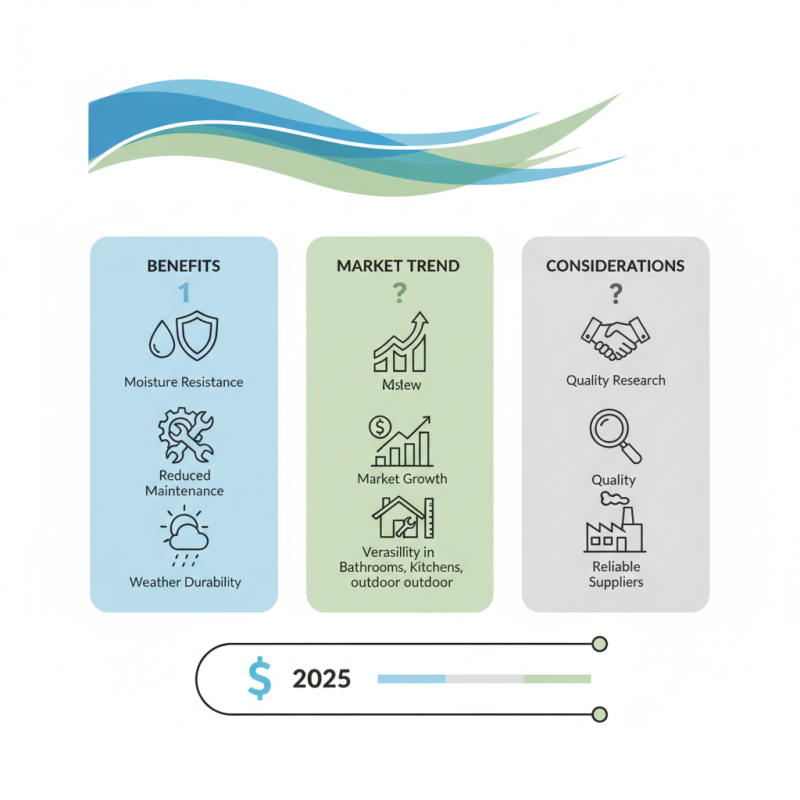
In recent years, the construction industry has seen a rise in the popularity of Waterproof Wpc Wall Panels. According to a report from MarketsandMarkets, the market for WPC products is projected to reach $7.5 billion by 2025, driven by their durability and versatility. These panels combine wood and plastic composites, offering a blend of aesthetic appeal and functionality.
Waterproof WPC Wall Panels are particularly favored for their moisture resistance, making them ideal for bathrooms, kitchens, and outdoor environments. Industry studies indicate that buildings using WPC panels reduce maintenance costs by up to 30% compared to traditional materials. Their ability to withstand harsh weather conditions while maintaining an attractive finish makes them a smart choice for architects and builders alike.
However, despite their many advantages, some professionals express concerns regarding the long-term performance of these materials. Quality varies significantly across manufacturers, which can affect durability. Therefore, thorough research into product selection is crucial for ensuring project success. As demand grows, finding reliable suppliers of high-quality Waterproof WPC Wall Panels remains paramount.
Benefits of Waterproof WPC Wall Panels in Construction Projects
Waterproof WPC (Wood Plastic Composite) wall panels are gaining traction in the construction industry. Their advantages are noteworthy. For instance, these panels resist moisture and humidity, making them ideal for areas like bathrooms and kitchens. According to a report by the Global WPC Market, WPC is expected to grow by 21% from 2020 to 2026. This surge in popularity indicates their reliability in construction projects.
A key aspect of WPC wall panels is their durability. They require minimal maintenance compared to traditional materials. This can lead to cost savings over time. Additionally, they are lightweight, which simplifies installation processes and reduces labor costs. However, the performance of WPC can vary based on the manufacturing process and material quality. Some users have reported issues like fading or surface scratches, causing uncertainty in long-term durability.
Sustainability is another essential benefit. WPC wall panels often incorporate recycled materials, contributing to environmental preservation. A study by Smithers Pira highlights that the construction sector is shifting towards more eco-friendly materials, with 65% of builders seeing sustainability as a priority. Despite these benefits, the perception of WPC can be mixed, with some still favoring traditional wood. Understanding customer sentiment can be a challenge for suppliers navigating this evolving market.
Top Benefits of Waterproof WPC Wall Panels | Benefit | Description | Applications |
| Water Resistance | WPC wall panels are resistant to moisture, preventing warping and mold. | Bathroom, Kitchen, Outdoor Areas |
| Durability | Long-lasting material that can withstand the elements. | Commercial Buildings, Residential Projects |
| Easy Maintenance | Simple cleaning with basic cleaning agents and water. | All Indoor and Outdoor Applications |
| Aesthetic Versatility | Available in various colors and textures to fit any design. | Residential Interiors, Commercial Spaces |
| Eco-Friendly | Made from recycled materials, reducing environmental impact. | Sustainable Building Projects |
| Fire Resistance | Certain WPC panels offer fire-retardant properties. | High-Risk Areas, Public Buildings |
Durability and Longevity of Waterproof WPC Wall Panels
Waterproof WPC wall panels are becoming increasingly popular in construction projects. Their durability and longevity are significant advantages. These panels resist moisture and prevent warping, which often leads to structural issues. Their ability to withstand harsh weather conditions makes them ideal for various environments. Over time, they require minimal maintenance, which can save both time and resources.
When selecting WPC wall panels, consider the installation process. Proper installation enhances the panels' lifespan. Ensure the surface is level and clean before mounting. This will help prevent cracks and other damages. Bracing the walls during installation can also add extra stability.
Using waterproof WPC wall panels can lead to energy efficiency. They provide insulation, helping to regulate indoor temperatures. This can reduce heating and cooling costs in the long run. Consider reinforcing these panels with proper trim and finishes. This adds an aesthetic touch and increases the overall protection against wear and tear.
Top Benefits of Waterproof WPC Wall Panels
Resistance to Moisture and Environmental Factors
Waterproof WPC wall panels are revolutionizing interior and exterior design. Their primary advantage lies in their resistance to moisture. Unlike traditional materials, these panels do not warp or swell when exposed to water. This feature makes them ideal for bathrooms, kitchens, and other high-humidity areas. They maintain their structural integrity over time, reducing the need for repairs and replacements.
Environmental factors also play a significant role in the performance of WPC panels. They resist fading from UV rays, preventing unsightly discoloration. This makes them a smart choice for outdoor applications. Wind, rain, and temperature fluctuations have little effect on their durability. However, it is essential to ensure proper installation to maximize these benefits. Even the best materials can underperform if not applied correctly.
While they offer many advantages, not everything about WPC wall panels is perfect. Consumers must consider the initial cost compared to traditional wood. The long-term savings tend to outweigh the upfront investment. There is still a learning curve regarding maintenance. Some users may find it challenging to clean them properly without damaging the finish. Understanding these details can help in making an informed decision.
Aesthetic Versatility of Waterproof WPC Wall Panels
Waterproof WPC wall panels offer exciting aesthetic versatility for modern projects. These panels mimic natural wood textures while providing superior durability. They are available in various colors and finishes, allowing for unique designs tailored to specific spaces. Homeowners and designers can effortlessly blend different styles, from rustic to contemporary, using these materials.
Designers appreciate how easy it is to work with WPC panels. Their lightweight nature facilitates quick installations, reducing labor costs. Creativity flourishes as these panels can be cut to fit any design requirement. However, it is crucial to reflect on their long-term performance. While they resist moisture and fading, improper installation may lead to issues over time.
WPC panels can contribute to an inviting atmosphere in homes or commercial spaces. Their aesthetic appeal is enhanced by their ability to withstand wear and tear. Still, it’s essential to consider the environmental impact. Sourcing sustainable materials is a step toward responsible design. Balancing aesthetics and sustainability will lead to more thoughtful projects in the future.
Cost-Effectiveness of Using Waterproof WPC Wall Panels
Waterproof WPC wall panels have become a popular choice for many projects. Their cost-effectiveness is a significant advantage. These panels are often more affordable than traditional materials. They offer durability that stands the test of time. This means fewer replacements and repairs down the line.
Using WPC panels can save money on maintenance. They resist moisture, mold, and rot. This resistance minimizes the need for costly treatments and replacements. The panels are also lightweight, making installation easier. Labor costs can be lower as a result. However, some might question their aesthetic appeal. While they can mimic natural wood, opinions vary.
It's essential to consider the initial investment versus long-term savings. Project budgets may face pressures, and WPC panels can help ease those. They can fit various design styles, providing versatility. Yet, each project is unique, and it's crucial to analyze individual needs. Some might find traditional options more appealing. Balancing cost and design requires careful thought.