
Staverton is a British designer & manufacturer of contemporary office furniture.
Call us today: +44 (0)20 3794 1200
©2025 Staverton (UK) Ltd | Terms | Disclaimer | Cookies | Privacy


Choosing Furniture Desks in 2026 requires more than comparing prices, finishes, and product photographs. Global buyers must examine how each desk performs in real workplaces, homes, schools, and shared offices. A compact desk may suit a European apartment, yet fail in a larger North American workspace. Regional dimensions matter. So do shipping routes, assembly methods, electrical requirements, material availability, and after-sales support.
Charles Eames, a respected furniture designer, observed, “The details are not the details. They make the design.” His words remain valuable for international purchasing decisions. Look closely at edge finishing, drawer movement, cable management, desktop stability, and surface resistance. These small features influence daily comfort and long-term value. Ergonomic height, sitting clearance, and optional standing functions deserve careful attention. Certification and material documentation should also be verified through reliable suppliers, not assumed from attractive marketing language.
This guide explores how global buyers can evaluate Furniture Desks with practical discipline in 2026. It considers workplace trends, sustainable materials, modular construction, technology integration, and total ownership costs. The cheapest quotation can become expensive after duties, damaged components, complicated installation, or delayed replacement parts. That lesson is easy to overlook. I have also found that “eco-friendly” claims can sound convincing while remaining poorly documented. Buyers should ask direct questions and record the answers. No desk fits every market perfectly. The best choice balances local user needs, measurable quality, supplier credibility, and realistic budgets. Small compromises may remain, but they should be visible before the purchase.
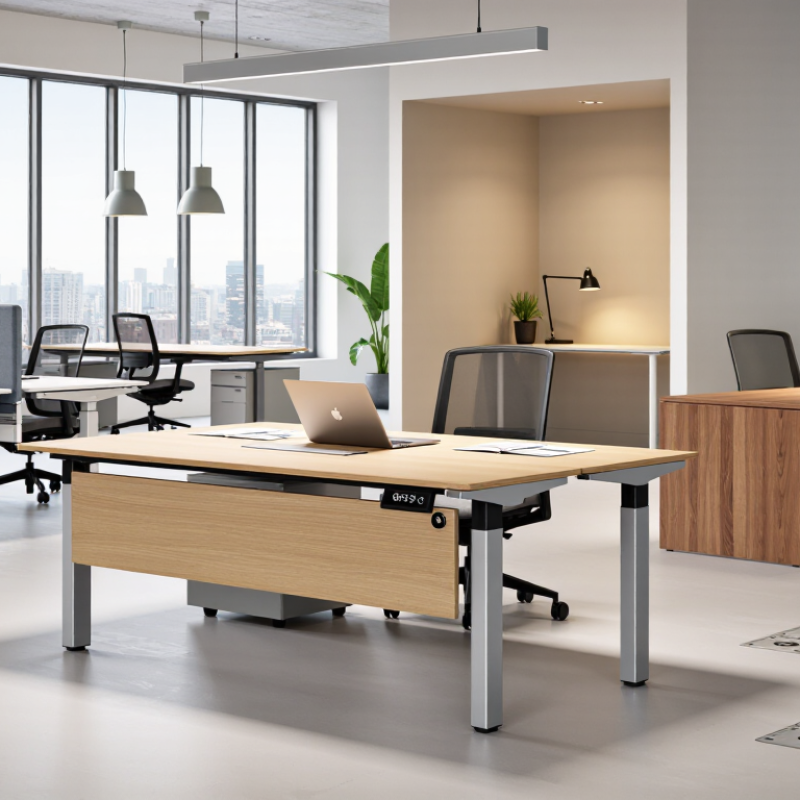
How to Choose Furniture Desks for Global Buyers in 2026?
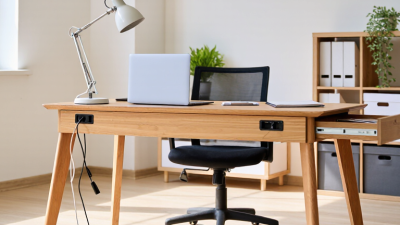
Desk types should match real work, room size, and local buying habits. A rectangular desk remains the safest choice for classrooms, home offices, and shared workstations. It supports simple shipping and flexible placement. An L-shaped desk suits managers, designers, and users handling two screens. However, it needs more floor space and careful corner measurements.
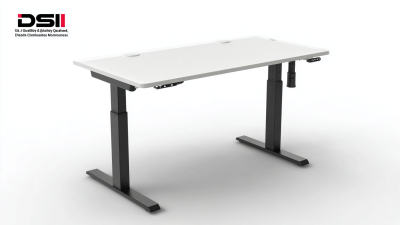
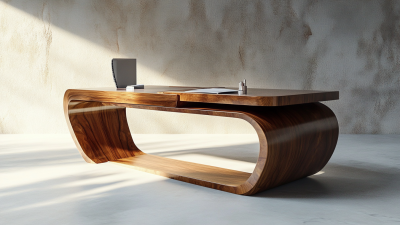
Standing desks serve health-focused offices and hybrid workers. Buyers should check height ranges, frame stability, noise levels, and lifting capacity. Executive desks offer generous surfaces for meetings and paperwork. They may look impressive, but their weight can increase freight costs. Modular desks work well in coworking spaces because teams can rearrange them as needs change. A perfect universal desk does not exist. I have seen attractive models fail because cable access was ignored.
Tips: Measure doorways, lifts, and room corners before ordering. Request material samples when humidity varies by region. Check edge finishing, packaging strength, and assembly instructions. For electric standing desks, confirm voltage compatibility and available service support. Leave space for chairs and movement. Small details matter.
Global buyers should compare more than price. A reliable specification sheet should state dimensions, materials, load limits, adjustment range, and warranty terms. Local distributors can also explain climate risks and repair expectations. One assumption often fails: the largest desk is not always the most professional choice.
A practical comparison of common desk categories, dimensions, functions, and international purchasing considerations
| Desk Type | Typical Dimensions | Primary Function | Best Global Use Cases | Recommended User or Setting | Common Materials | Key Purchasing Criteria | Space and Logistics Notes |
|---|---|---|---|---|---|---|---|
| Writing Desk | 100–140 cm W × 50–70 cm D × 72–76 cm H | Writing, reading, laptop work, and light home-office tasks | Apartments, bedrooms, compact offices, student housing, and hospitality rooms | Students, remote workers, writers, and occasional users | Engineered wood, solid wood, metal, bamboo, or wood veneer | Stable frame, sufficient legroom, scratch resistance, cable access, and easy assembly | Compact footprint; flat-pack construction can reduce shipping volume and storage costs |
| Computer Desk | 120–160 cm W × 60–80 cm D × 72–76 cm H | Desktop computer, monitor, keyboard, and peripheral support | Home offices, schools, training rooms, shared offices, and gaming or media spaces | Office employees, students, digital workers, and technical users | Steel, particleboard, MDF, laminate, solid wood, and powder-coated metal | Monitor depth, weight capacity, cable management, ventilation space, and rounded edges | Allow at least 75–90 cm behind the chair for comfortable movement and access |
| Executive Desk | 160–220 cm W × 80–100 cm D × 72–76 cm H | Leadership work, document review, meetings, and professional presentation | Private offices, law offices, financial offices, government workplaces, and premium hospitality settings | Managers, directors, consultants, and professionals handling documents or visitors | Solid wood, veneer, engineered wood, tempered glass, and steel | Structural durability, finish quality, privacy features, modesty panels, and integrated storage | Requires larger rooms, reinforced packaging, and careful delivery planning due to high weight |
| Standing Desk | 120–180 cm W × 60–80 cm D × 70–125 cm H | Alternating sitting and standing during computer-based work | Modern offices, home offices, co-working spaces, technology workplaces, and health-focused work environments | Users seeking posture variation, flexible work routines, or shared-height workstations | Steel columns, MDF or bamboo tops, laminate, aluminum, and electronic control components | Height range, lifting capacity, stability at maximum height, noise level, control reliability, and safety protection | Confirm voltage, plug type, controller compatibility, and export packaging requirements before ordering |
| L-Shaped Desk | 140–200 cm per side × 60–80 cm D × 72–76 cm H | Multi-screen work, task separation, storage, and corner-space utilization | Home offices, professional offices, design studios, control rooms, and small business workspaces | Users managing multiple devices, paperwork, or simultaneous work activities | Engineered wood, laminate, steel, aluminum, and wood veneer | Left- or right-hand configuration, corner fit, cable routing, frame rigidity, and reversible assembly | Measure doorways, elevators, and room corners; modular packaging is preferred for international shipping |
| Reception Desk | 160–240 cm W × 70–100 cm D × 105–115 cm H at the counter | Visitor reception, check-in, information handling, and front-desk administration | Hotels, clinics, schools, offices, apartment buildings, and public-service facilities | Reception staff and organizations requiring a visible visitor-contact point | Laminate, MDF, engineered wood, glass, metal, and solid-surface panels | Accessible counter section, privacy panel, durable high-traffic finish, storage, and wiring access | Plan customer circulation, wheelchair access, signage space, and installation sequence |
| Conference Table | 180–360 cm W × 90–140 cm D × 72–76 cm H | Group meetings, collaboration, training, and video conferencing | Corporate offices, schools, government facilities, hotels, and community organizations | Teams of approximately 4–16 people, depending on table length and chair spacing | Veneer, laminate, solid wood, steel, aluminum, and glass | Seating capacity, cable ports, surface durability, stability, modularity, and acoustic compatibility | Allow approximately 90–120 cm of circulation space around the table where possible |
| Training Table | 120–180 cm W × 45–75 cm D × 72–76 cm H | Instruction, note-taking, examinations, and flexible classroom layouts | Schools, universities, vocational centers, conference venues, and corporate training rooms | Students, trainees, instructors, and event participants | Laminate, MDF, steel, aluminum, and polypropylene components | Nesting or folding capability, lightweight frame, lockable casters, impact resistance, and easy cleaning | Nesting designs improve storage density and help venues quickly change room layouts |
| Modular Bench Desk | 120–180 cm per workstation × 60–80 cm D × 72–76 cm H | High-density workstation planning and team-based office work | Open-plan offices, call centers, co-working facilities, shared service centers, and project teams | Organizations requiring scalable seating and efficient floor-space utilization | Steel, aluminum, laminate, MDF, acoustic panels, and cable-management components | Reconfiguration options, privacy screens, shared power access, acoustic control, and component compatibility | Useful for phased projects; verify local electrical and fire-safety requirements during planning |
| Counter-Height Desk | 120–180 cm W × 50–70 cm D × 90–105 cm H | Short-duration work, collaboration, informal meetings, and customer interaction | Cafés, libraries, co-working areas, education spaces, retail environments, and hotel lounges | Users working with tall chairs or stools for brief tasks and informal communication | Solid wood, laminate, steel, aluminum, and compact-surface materials | Correct stool compatibility, footrest design, surface durability, edge comfort, and cleanability | Not normally intended for full-day seated office work; provide suitable ergonomic seating |
| Drafting or Studio Desk | 120–180 cm W × 75–100 cm D × adjustable or 72–110 cm H | Technical drawing, design, craft work, model-making, and large-format projects | Architecture studios, art schools, design offices, workshops, and creative home workspaces | Architects, designers, artists, engineers, and makers | Steel, aluminum, solid wood, MDF, laminate, and coated work surfaces | Adjustable angle, load capacity, surface hardness, tool storage, stability, and cleanable finish | Requires additional clearance for tilted surfaces, stools, task lighting, and material storage |
Staverton is a British designer & manufacturer of contemporary office furniture.
Call us today: +44 (0)20 3794 1200
©2025 Staverton (UK) Ltd | Terms | Disclaimer | Cookies | Privacy