How to Choose the Best Sofa for Your Home Style?
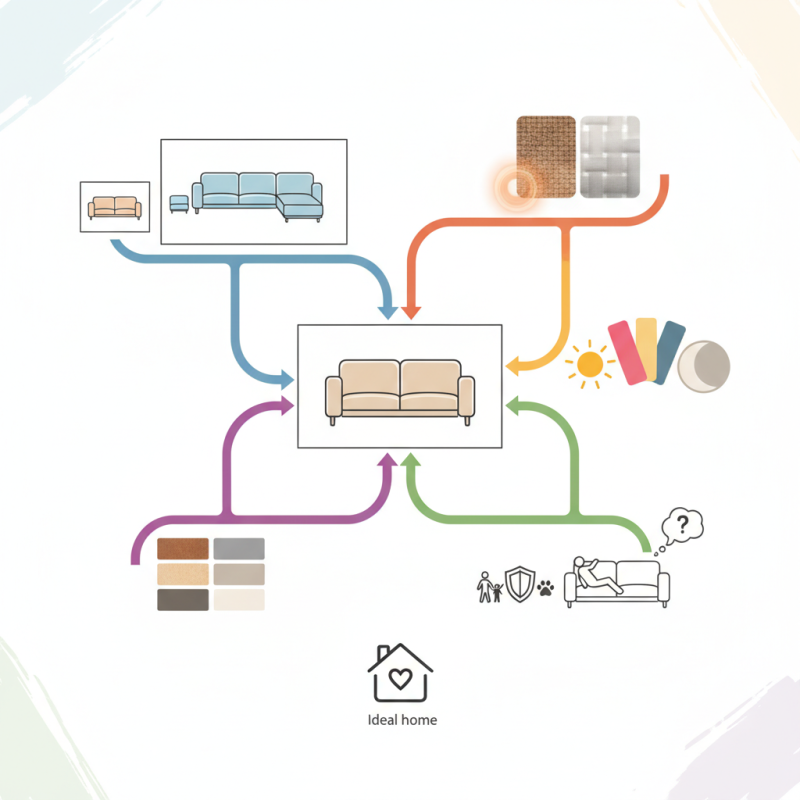
Choosing the right Sofa for your home is more than just picking a piece of furniture. It reflects your personality and style. A sofa serves as a focal point in your living space. It can enhance comfort and functionality while complementing your home decor.
There are many factors to consider. Think about the size of your room. A large sectional might overwhelm a small space. Conversely, a compact loveseat may feel lost in a vast area. Material is another crucial aspect. Fabric sofas offer warmth, while leather is sleek and modern. Each option has its pros and cons.
Don’t forget about color and style. A bright sofa can energize a room, while neutral tones provide versatility. Reflect on your lifestyle, too. If you have kids or pets, durability matters. Finding the perfect sofa requires thoughtful choices. You might not always get it right, but the search is part of the journey to create your ideal home.
Understanding Different Sofa Styles: A Comprehensive Overview
When selecting a sofa, understanding different styles is crucial. Sofas can significantly influence your home’s ambiance. For instance, a modern sectional may convey sleekness, while a rustic sofa can bring warmth. According to a 2022 report from the American Home Furnishings Alliance, 45% of consumers prioritize comfort over style when choosing a sofa.
The materials used in a sofa also affect its overall appeal. Leather sofas are considered timeless and are easy to clean. Fabric sofas offer versatility in texture and color. In fact, 34% of buyers prefer fabric due to its softness and wide range of patterns. Each material has pros and cons, which should be evaluated based on your lifestyle.
Tip: Consider the color scheme of your room. A bright-colored sofa can serve as a focal point.
Another vital aspect is the sofa's shape. L-shaped and U-shaped sofas maximize seating in larger rooms. Conversely, loveseats are ideal for smaller spaces. Keep in mind that trends fluctuate. What seems stylish today may feel outdated tomorrow. The key is to choose a style that resonates with your personal taste.
Tip: Test the sofa for comfort before purchasing. Everyone has different preferences for firmness and support.
Assessing Fabric Options: Durability and Aesthetics in Sofa Selection
Choosing the right fabric for your sofa is essential. Several factors come into play, particularly durability and aesthetics. Different materials have unique qualities that impact both how they look and how long they last.
Natural fabrics, like cotton and linen, have a soft feel and can elevate your home’s aesthetic. However, these materials are less durable and may show wear quickly. They can stain easily and require careful maintenance. On the other hand, synthetic fabrics, such as polyester, offer strength and resilience. They can withstand daily use but may lack the charm of natural fibers.
Consider your lifestyle before making a choice. If you have pets or young children, durability is crucial. A more robust fabric can save you from frequent replacements. Evaluate your space, too. Light-colored fabrics may brighten a room but will require more cleaning than darker shades.
Balancing style and practicality can be challenging, but it’s worth the effort. Personal comfort and overall design harmony should guide your decision.
Measuring Your Space: Ensuring the Perfect Fit for Your Sofa
Measuring your space accurately is a crucial step in choosing the right sofa. Start by assessing the dimensions of your living area. Use a tape measure to determine the length, width, and height of the space intended for the sofa. Keep in mind that the sofa will need room to fit without overcrowding the area. A crowded space can make your living room feel smaller.
Consider not just the sofa's dimensions but also the layout of your room. Are there doorways or windows that may affect the placement? Take into account other furniture, too. You want to create a cozy atmosphere without sacrificing functionality. Visualizing the sofa's placement can help you avoid potential mistakes. Sketching a simple floor plan can clarify your options.
Lastly, think about how you use the space. Will guests sit on the sofa often? If so, ensure there’s enough room for movement around it. A sofa that fits perfectly may not be perfect for your lifestyle. Reflect on your needs and preferences. This thought process can lead to a more informed choice, ensuring your new sofa enhances your home.
Understanding Sofa Sizes and Their Fit in Different Room Styles
Evaluating Comfort: Key Metrics for Seat Depth and Firmness
Choosing the perfect sofa goes beyond aesthetics; comfort plays a crucial role. When evaluating comfort, two key metrics stand out: seat depth and firmness. Seat depth is vital for ensuring adequate support, especially for taller individuals. A deeper seat often offers a more relaxed posture, while a shallower seat is suitable for shorter people.
Firmness is equally important. Sofas range from soft to firm, and your preference should align with your seating habits. Firm sofas provide better support for extended sitting, reducing back strain. On the other hand, soft sofas invite lounging but may lead to discomfort over time.
People often overlook how personal comfort can vary. You may sit differently than others. What feels good to someone else might not work for you. Take the time to test various options. Feel the seat depth and firmness. Sit for several minutes to ensure a good fit. Reflect on how you envision using the sofa. Will it be a family gathering spot or a solitary retreat? These questions guide your decision.
Budgeting for Quality: The Relationship Between Price and Longevity
Choosing the right sofa is more than aesthetics; it’s about investment. While a low price might attract you, it often sacrifices durability. Reports suggest that high-quality sofas, though initially pricier, last significantly longer. For instance, a study by the National Furniture Association found that durable sofas can last up to 15 years with proper care, while cheaper options may only endure 3 to 5 years.
Budgeting for quality is essential. A well-made sofa could cost anywhere from $1,500 to $5,000. In contrast, cheaper alternatives might be available for $500 to $1,000. However, the long-term costs can be misleading. The expensive sofa may require no replacements for a decade, whereas the cheaper one might need frequent replacement. This cycle of buying low-quality products can lead to waste—both financially and environmentally.
It's also important to consider materials. Sofas made with solid wood frames and high-density foams generally last longer. Research shows that the right fabrics can enhance longevity too. Opting for stain-resistant materials can save on maintenance costs. Choosing wisely today means fewer regrets tomorrow, ensuring you invest in comfort and longevity.
How to Choose the Best Sofa for Your Home Style? - Budgeting for Quality: The Relationship Between Price and Longevity
| Sofa Type | Approx. Price Range ($) | Average Lifespan (Years) | Comfort Level | Maintenance Level |
| Leather Sofa | 800 - 3000 | 10 - 20 | High | Low |
| Fabric Sofa | 500 - 1500 | 5 - 10 | Medium | Medium |
| Recliner Sofa | 600 - 2500 | 7 - 15 | High | High |
| Sectional Sofa | 700 - 4000 | 8 - 15 | Medium | Medium |
| Convertible Sofa | 400 - 1200 | 5 - 8 | Medium | Medium |